Nature reserves are true treasures of biodiversity, playing a crucial role in the protection of endangered species. These sanctuaries provide safe havens where wildlife can thrive, free from human threats.
A remarkable example of this global effort is the proposed Macaronesia Sanctuary, a Marine Protected Area supported by Loro Parque Fundación, which seeks to preserve the marine biodiversity of the Atlantic Ocean. In this article, we explore how both terrestrial and marine nature reserves act as the true guardians of wildlife.
A haven for endangered species
Imagine a place where animals can live without fear of poaching or habitat destruction. That’s precisely what nature reserves represent. These protected areas offer secure environments where endangered species can breed and rebuild their populations.
For instance, the Iberian lynx, one of the most threatened species in the world, has found a vital refuge for its recovery in Spain’s network of natural reserves.
Living laboratories of conservation
Another vital function of nature reserves is their role as bridges between habitats. These connections, known as ecological corridors, allow species to move freely between areas, maintaining genetic diversity and population health.
You can think of them as green motorways linking different “cities of nature”, enabling gene flow and helping species adapt to environmental changes.
Education and awareness

Nature reserves not only safeguard endangered species but also play a vital role in educating the public about the importance of conservation.
Many reserves offer educational programmes and guided tours that inspire visitors to become defenders of nature. Imagine observing an endangered species up close and learning about its role within the ecosystem — such experiences are powerful tools in fostering a culture of respect for the environment.
The challenge of climate change
However, as the global climate changes, nature reserves face new and complex challenges. To remain effective sanctuaries, they must adapt to shifting environmental conditions.
Scientists are working tirelessly to design strategies that help these protected areas remain resilient in the face of climate change. Innovation and research are therefore essential to ensure these sanctuaries continue to fulfil their mission in the years ahead.
The Macaronesia Sanctuary: a decisive step for marine conservation
Loro Parque Fundación has taken significant steps in the protection of marine ecosystems. A shining example is the proposal for the Macaronesia Sanctuary, a Marine Protected Area encompassing the waters surrounding the Canary Islands, the Azores, Madeira and Cape Verde.
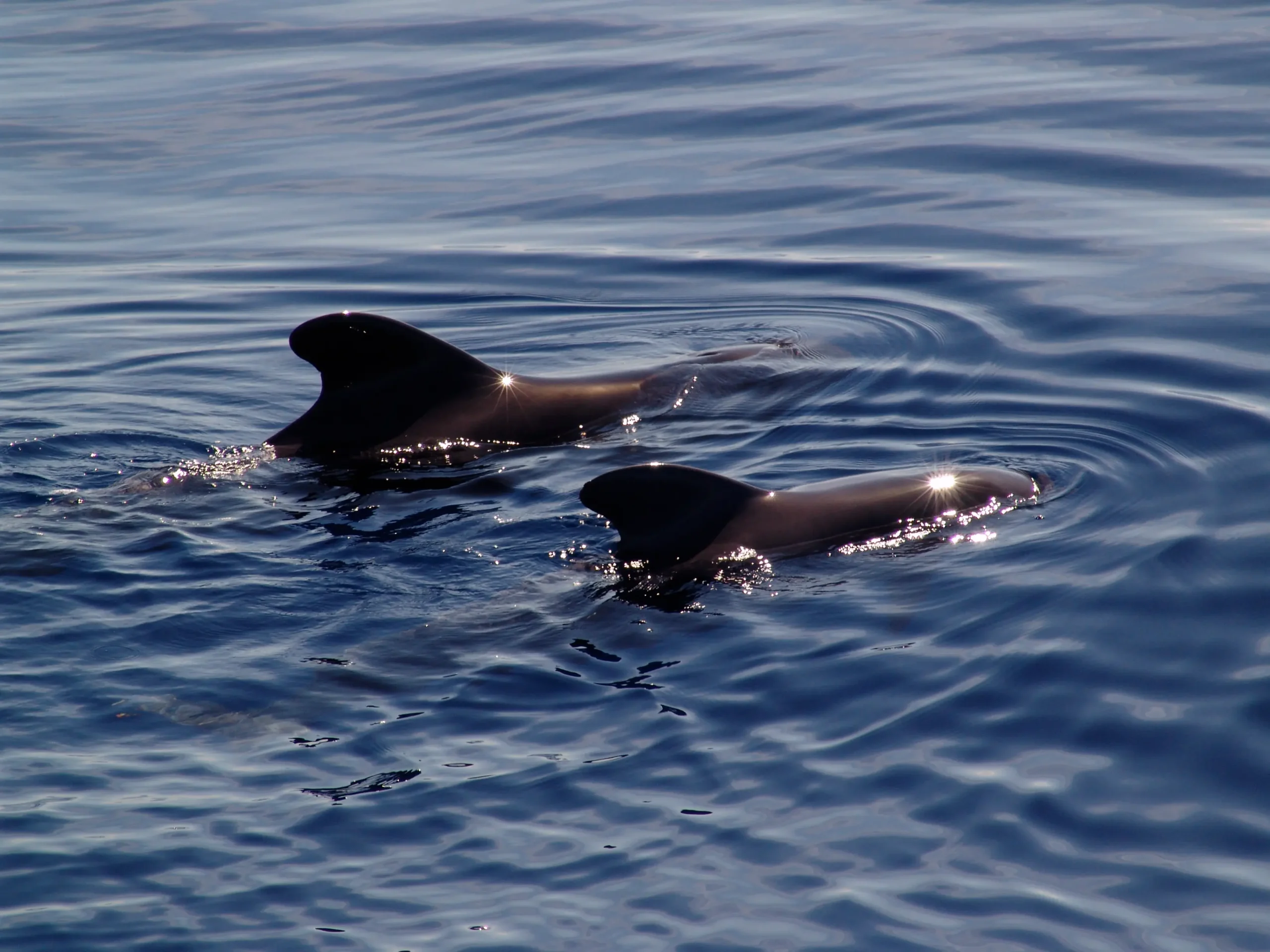
This initiative was approved with an impressive 96.5% of favourable votes at the World Conservation Congress held in Abu Dhabi. The sanctuary aims to create a safe corridor for marine biodiversity, protecting the 32 species of cetaceans that inhabit the region while defending these ecosystems from industrial fishing and heavy maritime traffic.
The Macaronesia Sanctuary represents not only progress in marine conservation but also a model of international cooperation, involving governments, scientific institutions and conservation organisations working together to secure the health of our oceans.
How you can help
Protecting endangered species is a shared responsibility — and everyone can play a part. Here are a few ways you can contribute:
- Visit responsibly: explore nature reserves and learn about their importance.
- Support conservation organisations: contribute to institutions dedicated to protecting endangered species.
- Reduce your ecological footprint: adopt sustainable habits in your daily life.
- Educate others: spread awareness about the importance of biodiversity.
- Make a donation: consider supporting Loro Parque Fundación to help sustain our conservation efforts.
Your support can make a real difference in protecting endangered species and their habitats. Together, we can ensure a future where nature continues to thrive in all its diversity and beauty.
Act today — and be part of the change!