
| Category | Land |
| Date | 2015 |
| Investment | 429.940$ |
LPF supports the KAZA project, running since 2005, aimed at protecting the increasingly fragmented and isolated populations of African lions.
Back
The Kavango Zambezi Transfrontier Conservation Area (KAZA TFCA), an area measuring 519,000 km², was formally established on 18 August 2011.
The goals of the KAZA project fit into two categories: 1) Ecological: to protect ecosystems, re-establish seasonal migration routes for wildlife, reduce the risk of extinction and increase the area available for wildlife. 2) Socio-economic: to increase economic opportunities through the expansion of the wildlife economy, decrease cultural isolation and promote peace, and form alliances between different stakeholders to promote land use mitigation, biodiversity conservation and poverty reduction.
The KAZA region is famous for its array of large mammal species (at least 195 species have been recorded), including the charismatic African elephant, buffalo, giraffe, white rhino, black rhino, and lion. Furthermore, within this region there are more than 650 species of birds and 160 species of fish, attesting to its high biological value. Despite this rich and diverse fauna, there is still a lack of knowledge of wildlife species in some parts of the KAZA area, especially in Angola, where prolonged political conflicts over recent years have led to massive destruction of wildlife. Current attempts to review the inventory of relict wildlife species are severely restricted by the insufficient number of field rangers in Mavinga and Luiana National Parks.
The free cross-border movement of wildlife is limited by highly fragmented land uses, with state protected areas (natural parks and forest reserves), community use areas, communal lands, and privately owned lands, with the differences in law enforcement efforts this variety implies. Despite these limitations, cross-border wildlife movement has been observed and preliminary mapping of wildlife dispersal corridors has been carried out, but the number of species with transboundary ranges and the scale of habitat use need to be fully assessed.
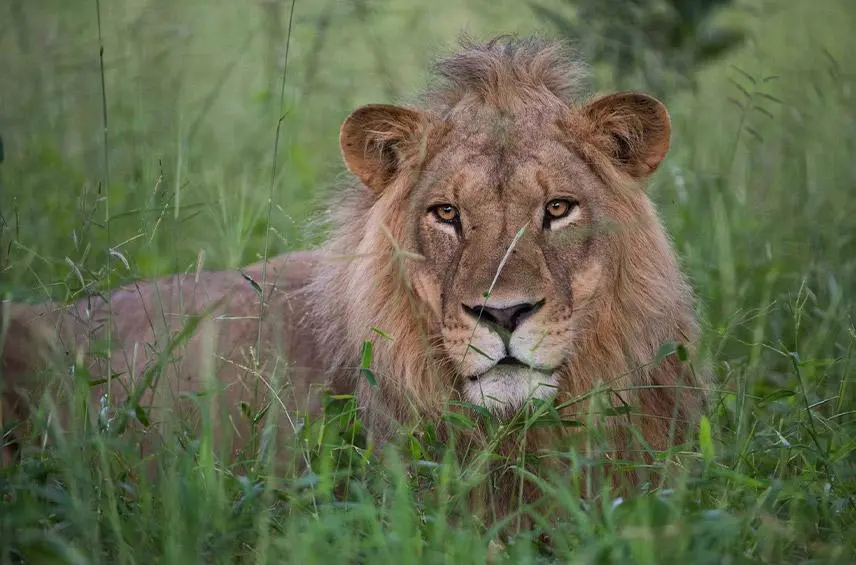
To help meet the ecological goals, through increasing knowledge for better wildlife conservation, Loro Parque Foundation, in collaboration with Futouris, an environmental association of tour operators based in Germany, is supporting a project in Angola and Zimbabwe to make an inventory of wildlife, and to monitor the larger species of animals, with a special focus on lions. The lion is the most iconic carnivore in Africa, representing the essence of the wild, but its population is rapidly declining. Illegal and legal killing, habitat loss and fragmentation, and rampant poaching of their prey have resulted in a decline of more than 40% in lion numbers over the past 20 years, which has led to their re-classification on the IUCN Red List of Threatened Species as ‘Vulnerable’.
BLOG
News
The agreement also provides for the creation of the Kiessling Species Survival Fund, intended to…
The JANTO project, co-funded by the European Regional Development Fund (ERDF), will study the genetics…
The funds raised during the evening will support the ‘SOFIANet’ project, a strategic alliance between…
Loro Parque deeply regrets the passing of Thomas Arndt, one of the leading figures in…