
Scientific name: Anodorhynchus leari
Family: Psittacidae
Kingdom: Animalia
Lear’s Macaw (Anodorhynchus leari) is one of the most threatened and emblematic bird species on Earth, and a compelling example of how well-designed conservation strategies can reverse even the most critical situations. Thanks to the actions implemented by Loro Parque Fundación, this species has been brought back from the brink of extinction, becoming an international benchmark for wildlife conservation.
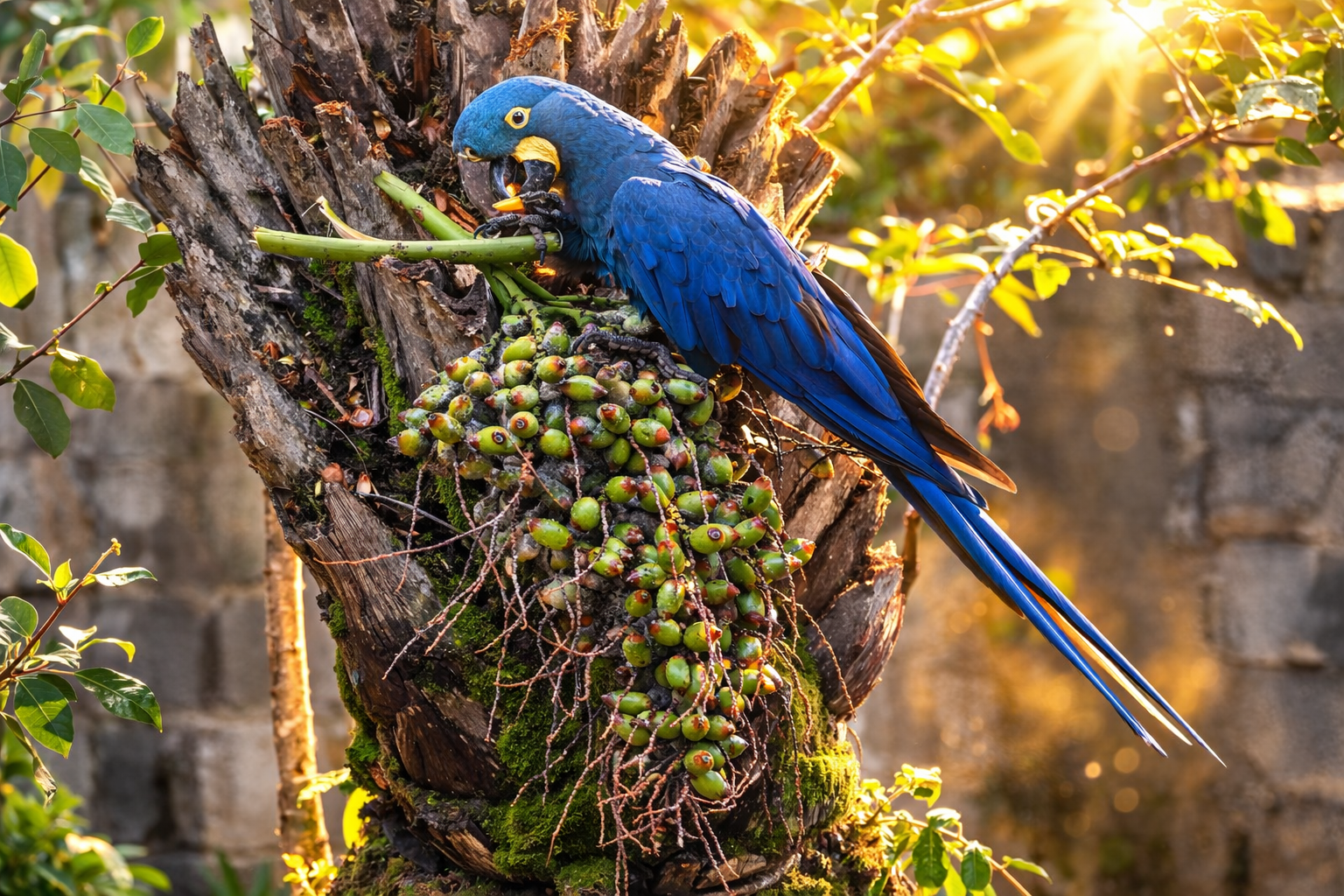
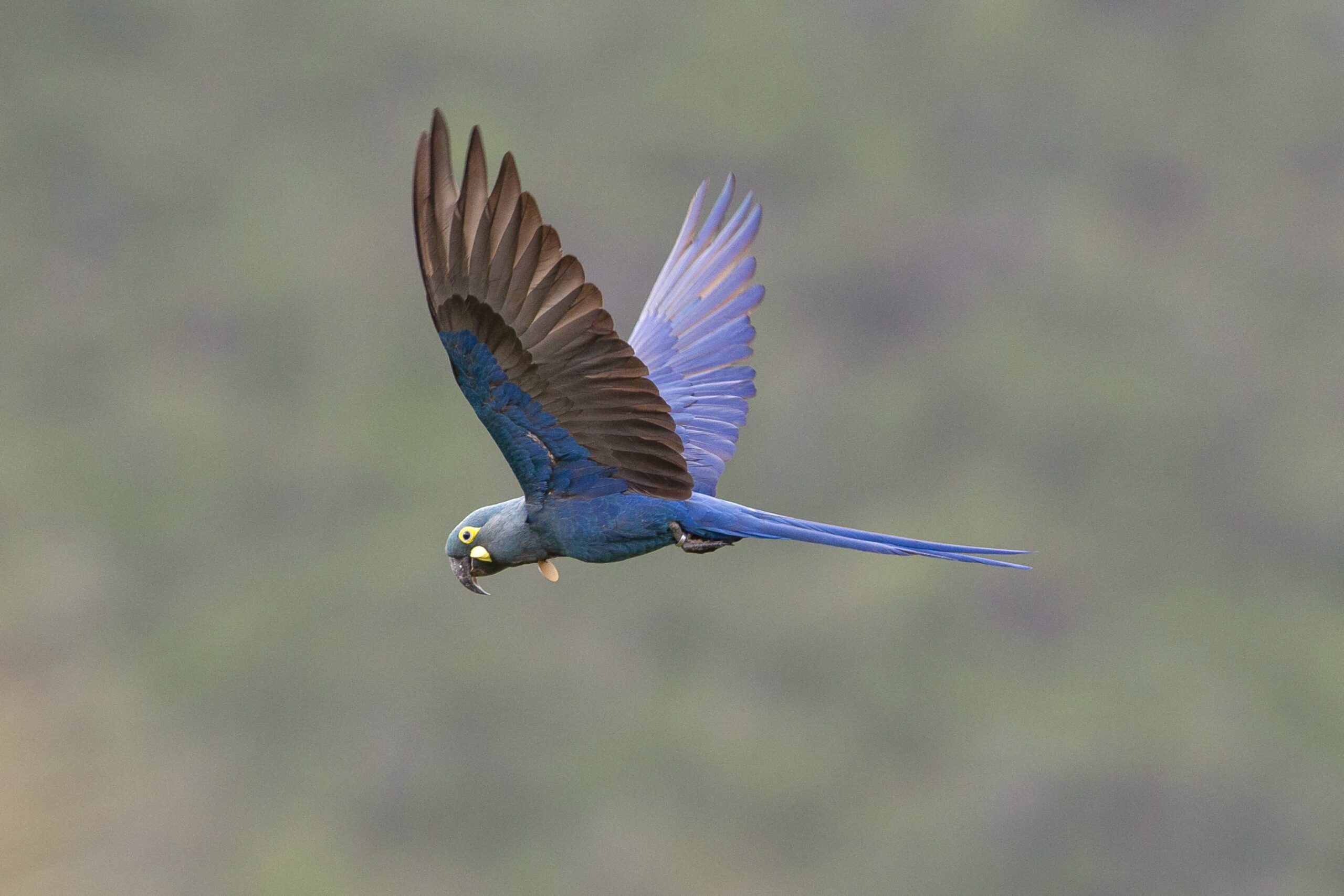
The species is endemic to north-eastern Brazil, where it lives exclusively within the Caatinga biome, a unique semi-arid ecosystem. It is instantly recognisable by its deep cobalt-blue plumage, powerful black bill, and the distinctive yellow bare-skin rings around the eyes and at the base of the beak.
For decades, Lear’s Macaw was regarded as one of the world’s most enigmatic birds. Although it was scientifically described around 150 years ago from individuals kept under human care, the first known wild population was not located until as recently as 1978.
Characteristics
Behaviour and lifestyle
This species is closely associated with the large sandstone cliffs of the Caatinga, where it nests in colonies. Within these rock faces, the macaws excavate cavities using their beaks and remove debris with their feet, creating secure shelters in which they roost at night and breed.
Lear’s Macaw is both granivorous and frugivorous. Its diet is highly specialised and depends almost entirely on the fruits of the licuri palm (Syagrus coronata). This extreme dietary dependence renders the species particularly vulnerable to habitat degradation.
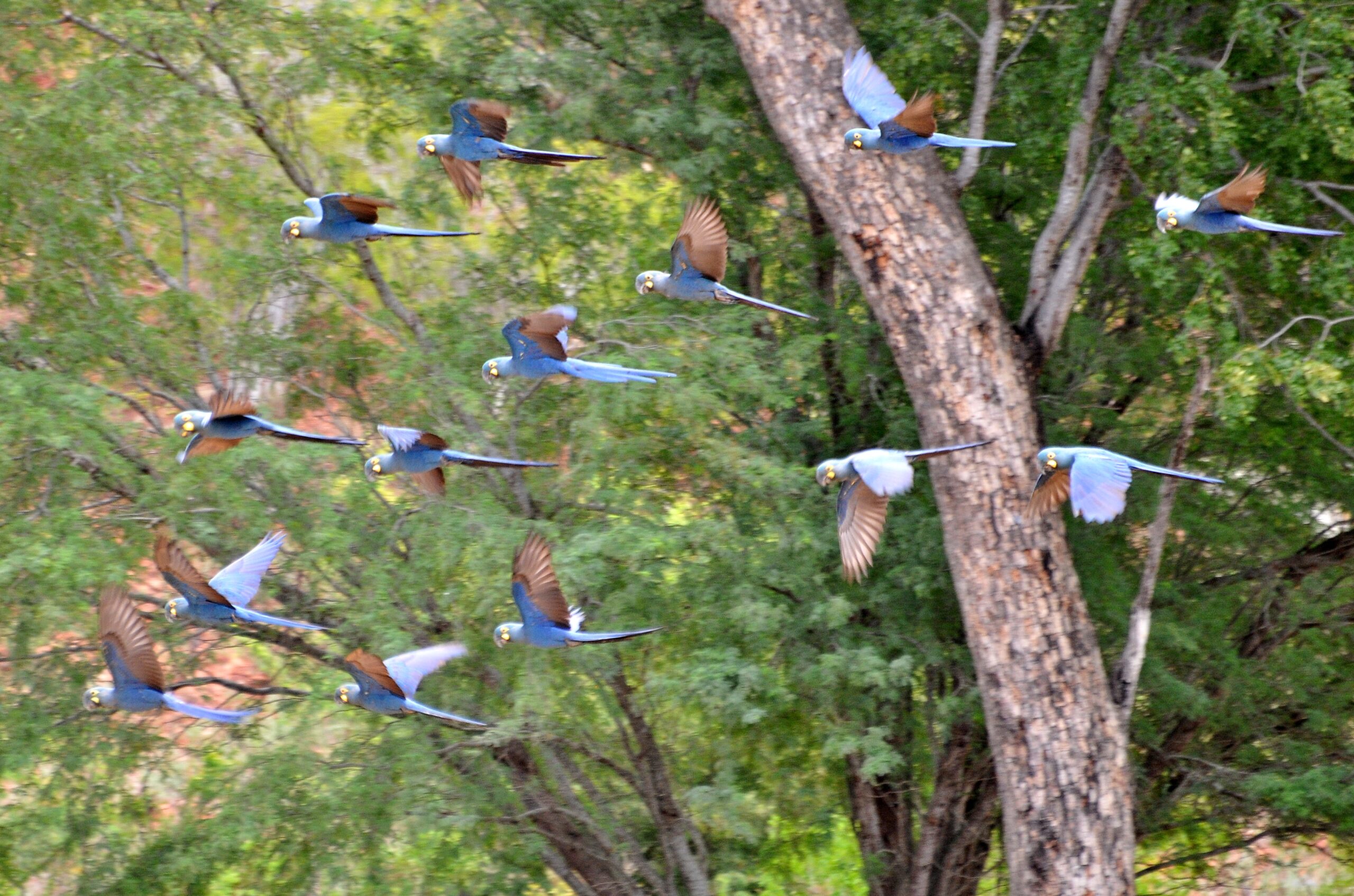
It is a diurnal, highly social and intelligent bird, typically flying in groups to feeding areas at dawn and returning to the cliffs at dusk. Strong social bonds are maintained within groups, and constant vocalisations are used to communicate with other individuals.
Learn more about the Lear's Macaw
A species on the brink of extinction
By 1990, the wild population had declined to a mere 60 individuals, pushing the species to the very edge of extinction.
A curious name
Lear’s Macaw is named after Edward Lear, a renowned mid-19th-century artist and poet, famous for painting macaws and composing whimsical nonsense verse.
A conservation success story
Thanks to intensive conservation efforts, the population has risen to 2,548 individuals recorded in 2024, representing one of the most significant recent achievements in avian conservation.
Reproduction
Lear’s Macaw is characterised by a slow reproductive rate. Pairs are monogamous and use cavities excavated in sandstone cliffs for nesting.
The female usually lays one or two eggs. Both parents share responsibility for rearing the chicks, which remain in the nest for several months. After fledging, juveniles continue to depend on the adults, learning foraging routes and essential behaviours crucial for survival in the wild.
Lear's Macaw image gallery
Behaviour and social structure
The species exhibits a social structure based on small groups and breeding colonies. Cooperation and collective vigilance are vital for survival, particularly in the face of predators and human disturbance.
Vocalisations are loud and frequent, enabling individuals to remain in contact over long distances—an essential adaptation in the open, arid landscape of the Caatinga.

Geographical distribution and habitat
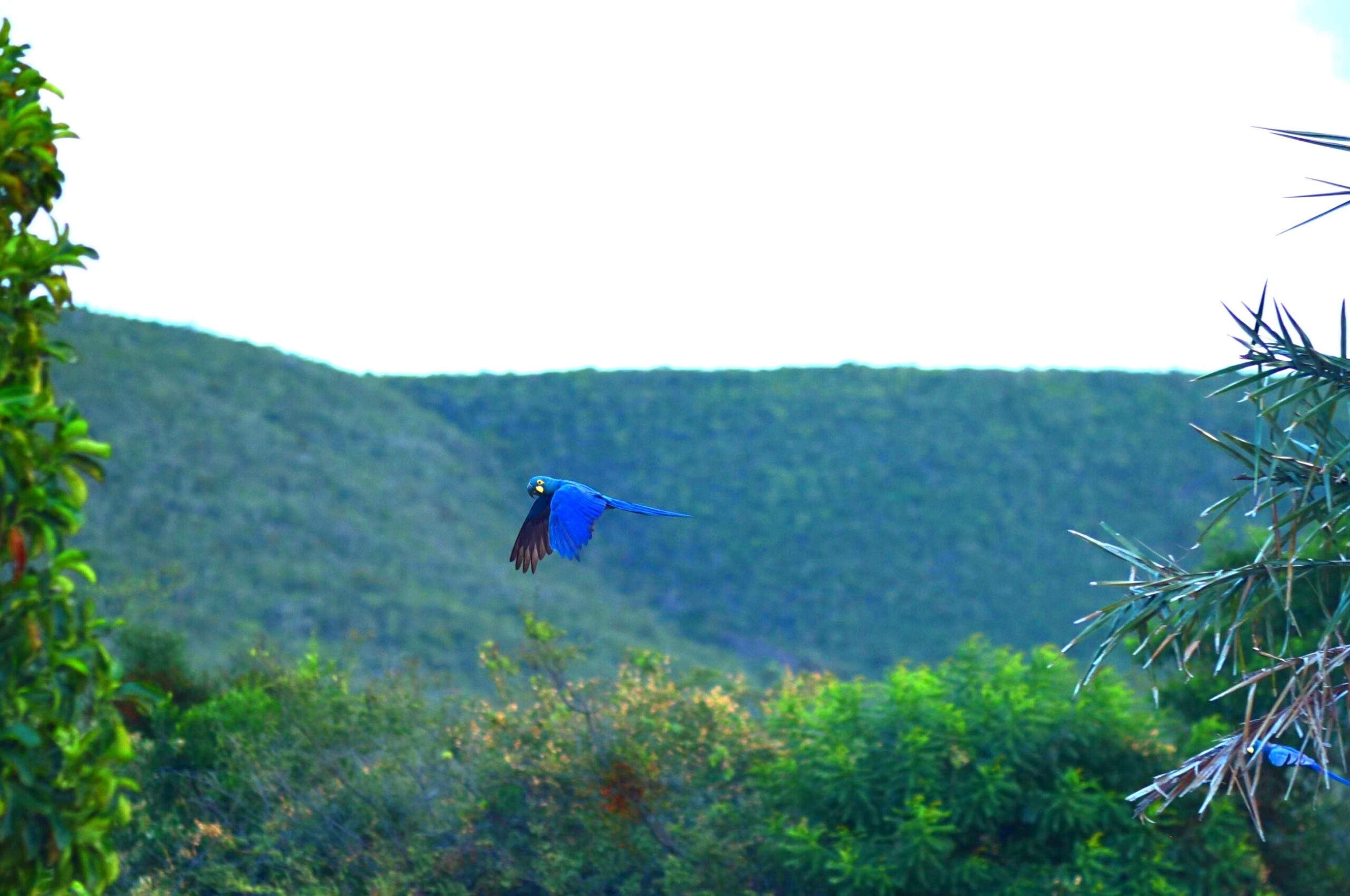
Lear’s Macaw currently occupies only a small arid region in the state of Bahia, in north-eastern Brazil, South America. It is estimated that the species now uses barely 1.6% of its original range.
Its habitat is increasingly impacted by human activities, including livestock expansion, agricultural burning, and the indiscriminate harvesting of leaves and fruits from the licuri palm, which drastically reduces food availability.
Conservation and the role of Loro Parque Fundación
The species was classified as Critically Endangered by the IUCN between 1994 and 2008, due to habitat loss, hunting and the illegal trade in chicks. Although it is currently listed as Endangered and its population trend is increasing, it continues to face significant threats.
One of the greatest challenges is food scarcity. To mitigate conflicts with farmers, Loro Parque Fundación runs a crop-damage compensation programme, assessing and reimbursing losses to maize fields caused by the macaws.
Since 2006, Loro Parque Fundación has successfully bred 55 Lear’s Macaws, establishing itself as an international reference in the management and breeding of the species under human care. One of the most significant milestones has been the reintroduction into Brazil of eleven individuals born in Tenerife, all previously socialised with other macaws.
Bird conservation projects at Loro Parque Fundación
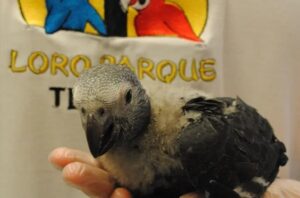
The African grey parrot is an endangered species that inhabits Central Africa, and whose wild populations are decreasing day by day.
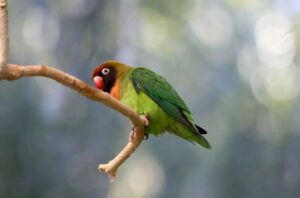
LPF has helped save the red-cheeked lovebird from extinction, a species severely threatened by illegal trade and the ongoing destruction of its habitat.
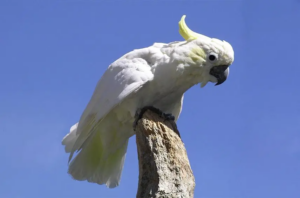
This species is critically endangered, with fewer than 2,000 individuals remaining in the wild. Since 2009, we have promoted several projects to help ensure its survival.
WHAT WE DO
We promote animal welfare and biodiversity conservation
Through our own initiatives and collaborations with partner organizations, we support research, education, responsible breeding, and conservation while working closely with local communities.
Our activities focus on protecting parrots around the world and marine species from Macaronesia.
Proyectos de conservación

Conservation
We participate in habitat and ecosystem recovery projects, especially those related to parrots and cetaceans.
Investigación y estudio de animales

Research
We support research initiatives and provide the knowledge about the animals under Loro Parque’s care to the scientific community.
Labores de rescate de animales salvajes

Rescue
We rescue sick or injured wild animals and, whenever possible we reintroduce them to their habitats.
Proyectos de recuperación de hábitats y ecosistemas, especialmente los vinculados a loros y cetáceos.

Sustainability
We follow a sustainability plan that seeks to have a positive impact and inspire other organizations.
Cría sostenible que busca ser una red de seguridad genética de especies y a la vez una herramienta de freno para la caza furtiva.

Sustainable breeding
Our sustainable breeding model seeks to be both a genetic safety net for species and a tool to curb poaching.
La divulgación y la concienciación sobre la crisis ambiental

Education
Achieving real change in our social model will be the only way to tackle the serious environmental crisis threatening the planet’s biodiversity.